
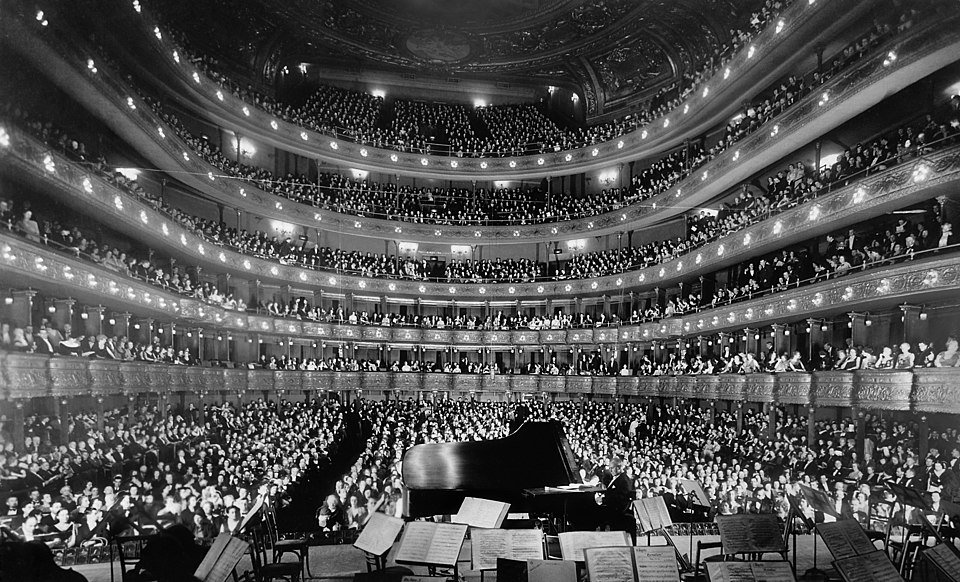
For many people, opera can seem mysterious. It’s often associated with grand theaters, elaborate costumes, and singers performing in languages they may not understand. But beneath all of that is something surprisingly simple: opera is storytelling through music.
Whether you’ve never attended an opera before or you’re simply curious about this centuries-old art form, this guide will introduce you to everything you need to know. By the end, you’ll understand what opera is, where it came from, why people continue to love it, and how you can begin enjoying it yourself.
What Is Opera?
Opera is a form of theatrical performance in which nearly every word is sung rather than spoken. Music, drama, acting, stage design, costumes, and orchestral performance all work together to tell a story.
Unlike a musical, where spoken dialogue is common, opera relies almost entirely on singing. The orchestra doesn’t simply accompany the performers—it becomes another storyteller, expressing emotion, building suspense, and enhancing every moment on stage.
Opera can be funny, heartbreaking, romantic, mysterious, or thrilling. Just like books and films, it explores the full range of human emotions.
Where Did Opera Begin?
Opera was born in Italy around the end of the 16th century. A group of writers, musicians, and scholars wanted to recreate the dramatic storytelling they believed had existed in ancient Greek theater.
One of the earliest surviving operas is L’Orfeo, composed by Claudio Monteverdi in 1607. It demonstrated how music could intensify emotion while telling a compelling story.
From Italy, opera spread throughout Europe. Different countries developed their own traditions, styles, and famous composers, creating the rich variety of opera we enjoy today.
Why Is Opera Sung Instead of Spoken?
This is one of the first questions newcomers ask.
Music has a unique ability to express emotions that words alone sometimes cannot. A joyful melody can make happiness feel even brighter, while a powerful orchestra can transform sadness into something deeply moving.
Instead of interrupting emotional moments with spoken dialogue, opera allows those emotions to flow naturally through music.
Many opera lovers say that although they may not understand every word being sung, they still understand exactly what the characters are feeling.
Curious why opera relies so heavily on singing? Read Why Is Opera Sung Instead of Spoken? to explore how music became the language of opera.
What Makes an Opera?
Every opera combines several artistic elements into one experience.
The Orchestra
Hidden just below the stage in the orchestra pit, musicians perform the score while carefully following the conductor’s direction. The orchestra creates atmosphere, supports the singers, and often reveals emotions before the characters do.
The Singers
Opera singers train for years to develop voices capable of filling large theaters without microphones. Their vocal technique allows them to project naturally over a full orchestra.
If you’re unfamiliar with the different voice types, our upcoming guide on Understanding the Different Opera Voice Types will explain them in detail.
The Stage
Sets, costumes, lighting, choreography, and special effects help transport audiences into different worlds—from ancient Egypt to mythical kingdoms or bustling European cities.
The Basic Structure of an Opera Explained
Are Operas Always in Italian?
No.
Although Italian remains closely associated with opera, works have been written in many languages, including:
- Italian
- German
- French
- English
- Russian
- Czech
Most modern opera houses provide supertitles—translations displayed above or beside the stage—so audiences can follow the story regardless of the language being sung.
What Are Operas About?
Opera covers almost every type of story imaginable.
Some are tragic love stories.
Others are hilarious comedies.
Many explore historical events, myths, political struggles, or family relationships.
Popular themes include:
- Love
- Betrayal
- Revenge
- Sacrifice
- Power
- Friendship
- Redemption
In many ways, opera tells the same kinds of stories found in today’s films and television series—only through music.
How Long Does an Opera Last?
There isn’t one standard length.
Some operas finish in around 90 minutes, while others can last four hours or more.
Most performances include one or two intermissions, giving audiences time to stretch, enjoy refreshments, and discuss the performance.
If you’re attending for the first time, choosing a shorter opera is often a great introduction.
Do You Need to Understand Music?
Not at all.
Many lifelong opera fans have never studied music.
Opera is meant to be experienced emotionally rather than academically.
You don’t need to recognize musical terms or understand composition to appreciate a beautiful voice or a moving story.
Simply listening with an open mind is enough.
Why Do People Love Opera?
Every opera lover has a different answer.
Some are captivated by extraordinary voices.
Others admire the orchestras, historic theaters, or spectacular productions.
Many simply enjoy becoming immersed in stories that have inspired audiences for hundreds of years.
Opera combines literature, theater, visual art, and music into a single experience, making it unlike almost any other performing art.
Is Opera Still Popular Today?
Absolutely.
Opera companies around the world continue to attract audiences through live performances, cinema broadcasts, streaming platforms, and digital productions.
Many theaters now present both traditional and modern interpretations, making opera more accessible than ever before.
Whether you’re attending an elegant evening at a historic opera house or watching a performance from home, there are countless ways to experience opera today.
How Should You Start?
The easiest approach is not to begin with the longest or most complex work.
Instead, choose an opera known for its memorable music and engaging story.
Some excellent introductions include:
- La Bohème
- Carmen
- The Magic Flute
- La Traviata
- The Barber of Seville
Final Thoughts
Opera has endured for more than four centuries because it speaks to something timeless in human nature. Its stories of love, courage, loss, hope, and triumph continue to resonate across cultures and generations.
You don’t need any special knowledge to enjoy opera. All it takes is curiosity and a willingness to experience something new.
Whether your first performance happens in a grand opera house or from the comfort of your living room, you’re stepping into an art form that has inspired audiences for hundreds of years.
And this is only the beginning of your journey.
Frequently Asked Questions
Is opera difficult to understand?
Not anymore. Most opera houses provide translated supertitles, making it easy to follow the story even if it’s sung in another language.
Do opera singers use microphones?
In traditional opera, singers perform without microphones. They rely on years of vocal training to project their voices throughout the theater.
Can beginners enjoy opera?
Absolutely. Many operas are ideal for newcomers, especially those with memorable melodies and accessible stories.
What is the best first opera to watch?
Many first-time audiences enjoy La Bohème, Carmen, The Magic Flute, or La Traviata because they’re engaging, emotionally rich, and widely performed.
Is opera still relevant today?
Yes. Modern productions, live cinema broadcasts, and streaming services have introduced opera to new audiences around the world.
Ready to take the next step? Read our guide on How to Watch an Opera for the First Time to make your first visit enjoyable and stress-free.
Internal Links (Current & Future)
Link to now (once created)
- How to Watch an Opera for the First Time
- Understanding the Different Opera Voice Types
- The Basic Structure of an Opera Explained
- Opera vs. Musical Theatre: What’s the Difference?
- How Long Does an Opera Usually Last?
- Why Is Opera Sung Instead of Spoken?
- Best Operas for Beginners
Future links
- Composer Profiles (Mozart, Verdi, Puccini, Wagner)
- Opera Profiles (La Bohème, Carmen, The Magic Flute, La Traviata)
- Opera Houses (Metropolitan Opera, La Scala, Royal Opera House)
6 thoughts on “What Is Opera? A Complete Beginner’s Guide”